[TechInnovation Feature] Insights from Banyan Group’s Executive Chairman on building resilient, thoughtful and future-ready businesses.
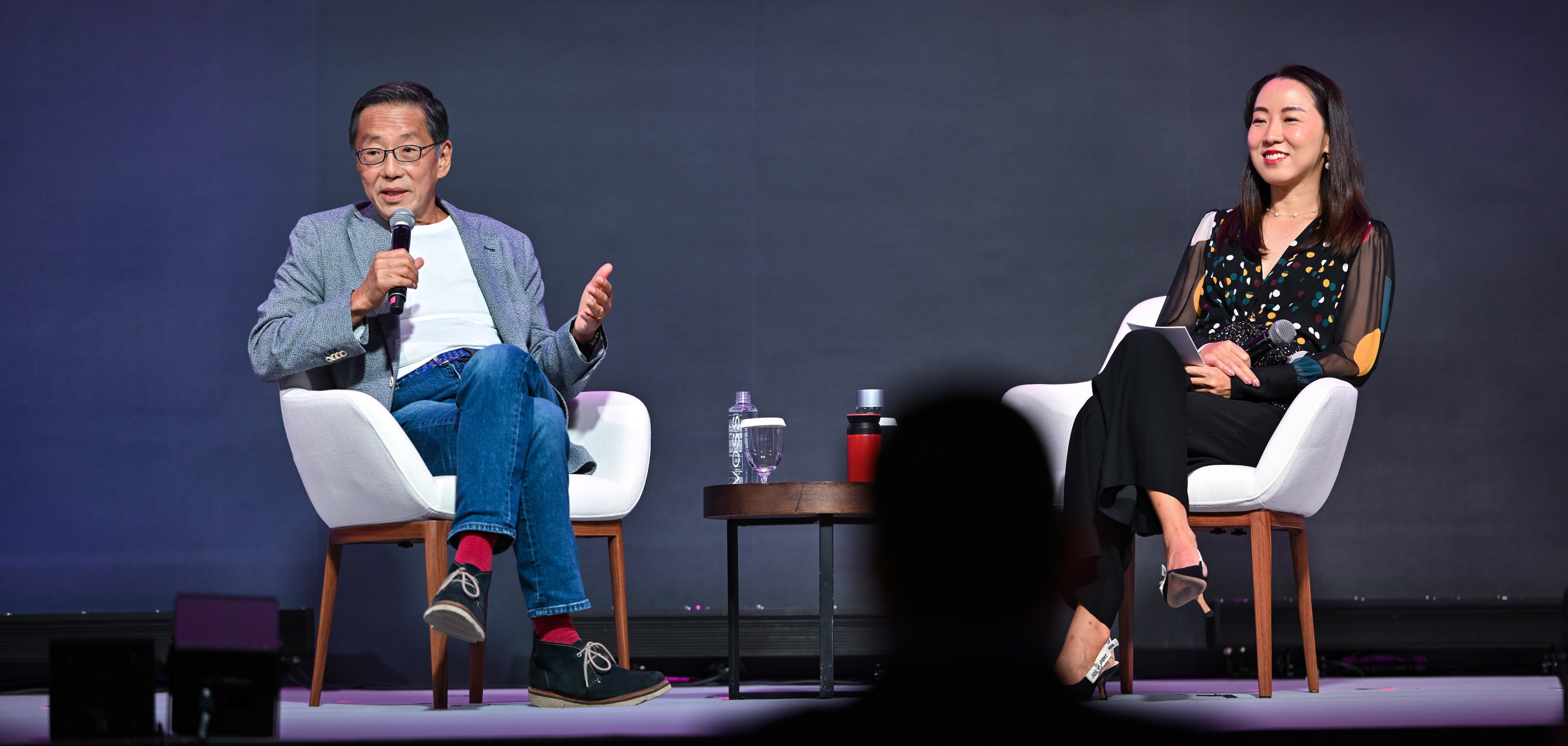
At TechInnovation 2025, entrepreneur extraordinaire Mr Ho KwonPing shares a lifetime of wisdom with Singapore’s businesses.
During the opening dialogue, Mr Ho KwonPing, founder and Executive Chairman of Banyan Group, offered distilled wisdom from four decades of entrepreneurship. For Singapore’s business leaders navigating rapid technological growth and climate change, his reflections offer practical guidance grounded in humility, strategic thinking and resilience.
Here are the four key takeaways every entrepreneur should consider:
- Be truly humble
Ho’s first piece of advice is particularly important for Singaporean entrepreneurs looking to embark on strategic partnerships with Southeast Asian neighbours: Check your pride at the door.
“Do not be engulfed in any hubris of thinking Singapore is the best, and that those of us who are in Singapore are the best of the best,” Ho warned. “Consider countries like Indonesia, Thailand, Cambodia and the rest of the world, where talent and opportunity abound.”
Ho emphasised entering new markets with openness, and be prepared to listen and learn from a diverse group of people with varying perspectives. This does not mean abandoning Singapore’s core strengths but rather retaining the strong values and education that have shaped many Singaporeans. The key is pairing competence with genuine humility.
"Enter ASEAN and really see the people you meet as collaborators and colleagues," shared Ho. "View opportunities through your own unique perspective and through the eyes of the people you work with."
- Adapt to inevitable change
Following his note on humility, Ho underscored the need for adopting a realistic view especially on forces beyond one’s control and respond strategically.
“As a CEO, my job is not to indulge in wishful thinking. It is to see what I think the world is going to be, whether I like it or not,” Ho explained.
He likened his approach of leadership to being a surfer at sea, riding the waves of change in the world. CEOs must observe and discern whether the next wave is a small swell to move past, a tsunami to avoid, or the perfect wave to ride and grow their business. Their successes are then based on how they choose to respond.
Ho applies this philosophy to Banyan Group’s approach to climate change. Rather than focusing solely on mitigation, the company has doubled down on adaptation. “I’m no longer just doing things to contribute to climate change mitigation. I’m already actively looking at when that next wave, tsunami or hurricane is going to hit me.”
This principle extends beyond climate change to any major disruption. Identify the inevitable shifts reshaping your industry, whether it’s technological like artificial intelligence (AI) transformation, evolving supply chains or shifting regulations. Leaders need to spot these shifts early and proactively, and position their companies to adapt and thrive.
- Managers manage, CEOs think
Perhaps one of Ho’s most memorable lines from the dialogue was this: “You pay your managers to manage. You should be paying yourself to spend half your time thinking, not managing.
This becomes especially critical in times of technological disruption. While Ho encourages his team to adopt AI for productivity gains, he sees the CEO’s role as fundamentally different.
“As the CEO and owner of the business, it is incumbent upon me to think about the whole direction of AI and how it’s going to affect the world at large, because I’m the person who has to situate my company within the larger society and the competitive environment,” he explained.
CEOs must step back from day-to-day execution, delegating implementation to their managers so they can concentrate on the broader horizon and anticipate how major forces will reshape their industry, market and competitive landscape long before the signs are obvious. The takeaway is simple - strategic thinking is the CEO’s core job, not something to fit in around operations.
- There’s no shame in failure, only in not learning
“The ratio is probably 10 to one,” Ho admitted when asked about his less successful ventures, acknowledging that his failures far outnumbered his successes.
His perspective on failure is refreshingly pragmatic. “If you’re only going to pursue a business that you know is going to succeed, you might as well forget it,” he said. “Everybody else would have done it already.”
Looking back on his journey as an entrepreneur, he highlighted how the real skill is not avoiding failure but knowing when to stop. Mature leaders must have the wisdom to identify when too much time and effort have been spent on a venture that will not succeed and have the courage to pull back.
Ho acknowledged that whether you fail or succeed is also dependent on luck. However, what entrepreneurs can control is their ability to read trends and act on them. “I think I’ve failed many times,” he concluded. “There’s no shame in that. The only shame is if you don’t learn from it.”
As Singapore’s businesses chart their path through today’s era of AI, climate pressures and rapid change, Ho KwonPing’s insights offer enduring guidance. Build with humility, adapt with foresight and learn from every setback. These lessons, forged through decades of experience, remain invaluable and relevant for every leader shaping the next chapter of innovation and growth.