Low-Cost Purple Phototrophic Bacteria For Crop Growth and Aqua Feed Additive

KEY INFORMATION
Waste Management & Recycling - Food & Agriculture Waste Management
TECHNOLOGY OVERVIEW
Side stream valorisation in sectors such as food and beverage manufacturing has gained substantial interest over the years. These waste streams, particularly the liquid fraction, are rich in nutrients and organics that can be converted into value-added products through suitable bioprocesses.
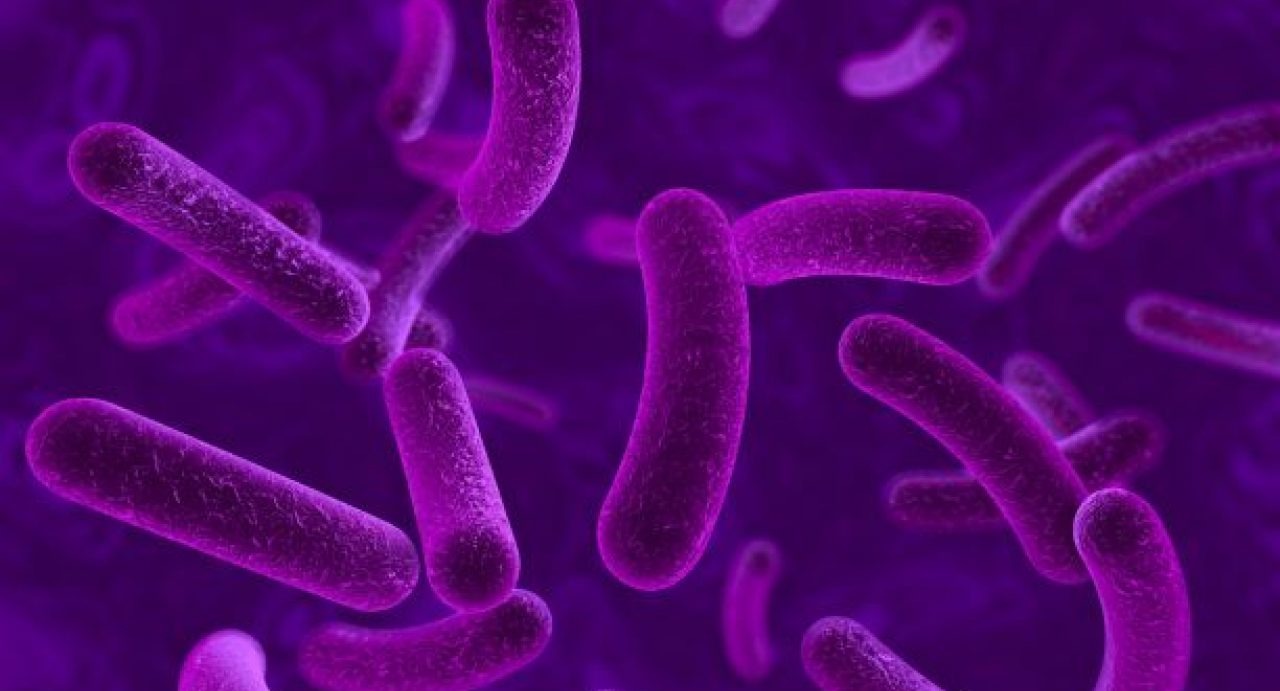
One promising product is purple phototrophic bacteria (PPB) — a metabolically diverse group of proteobacteria containing bacteriochlorophyll a and b. Due to their versatile metabolic pathways, PPB can effectively remove pollutants from various wastewater streams, even under stressful conditions. Their light-driven metabolism and hormone-secreting abilities also make them excellent bio-fertilizers and bio-stimulants, enhancing soil health and promoting plant growth.
The proposed PPB cultivation technology in a photobioreactor (PBR) system achieves higher treatment efficiency and biomass productivity compared to conventional open ponds. The produced PPB biomass has demonstrated its capacity to enrich soil with essential nutrients and supply key phytohormones that support plant development.
Beyond agriculture, PPB biomass holds strong potential in aquaculture as a feed replacement or additive. Its high protein content and balanced amino acid profile make it a sustainable alternative to fishmeal. Furthermore, studies have shown that PPB supplementation can enhance fish immune responses and improve resistance to common diseases, supporting healthier and more resilient aquaculture systems.
Overall, this innovative PPB cultivation technology enables circular resource recovery and offers a sustainable pathway for the agriculture and aquaculture industries to develop eco-friendly, value-added bioproducts from nutrient-rich waste streams.
The technology provider is seeking for collaborators to test bed the technology and to license the technology.
TECHNOLOGY FEATURES & SPECIFICATIONS
The biomass conversion process boasts high efficiency, achieving up to 0.8 grams of biomass for every gram of chemical oxygen demand (COD) removed. Its versatility allows it to work with various types of feed, adaptable to different loads and conditions. High efficiency and robustness of the technology also contribute to more compact system design and lower operating cost. This sustainable approach in PPB production utilizes waste streams from food manufacturing sectors, transforming waste into valuable products. Additionally, biomass generated from the technology offers a novel application in stimulating and supporting plant growth.
POTENTIAL APPLICATIONS
The PPB technology can be deployed in wastewater treatment processes, to remove organics and pollutants efficiently. PPB can enhance essential nutrients in the soil and support plant growth. It can be used as alternative agricultural inputs such as bio-fertilizer and bio-stimulant, promoting crop yield in a sustainable manner. Value-added product derived from the technology also has high level of protein content, which can be utilised as alternative in animal feed formulation for aquaculture or livestock breeding.
Unique Value Proposition
This novel compact PPB cultivation technology offers higher treatment efficiency and wider product applications than the conventional open ponds systems.

Nano Iron Supplement for Plants
Transforming Agricultural Waste into High-Purity Silica and Carbon Materials
Plant-based Additive for Bioplastic Barrier Enhancement
AI-Enabled Food Waste Contamination Audit System
Formulation and Optimisation of Fish (O. niloticus) Feed from Food Waste Protein Source
Transforming Food Waste into Cost-Effective Animal Feed Solutions
AI & IoT Logistics Intelligence Solution
Modular Food Packaging Vision Inspection Machine
Food Filtration Membranes and Systems