Recyclable Self-Reinforced PET Composites for Mobility & Construction
KEY INFORMATION
TECHNOLOGY OVERVIEW
The mobility and construction sectors face increasing pressure to reduce carbon emissions, meet stricter recycling regulations, and achieve lightweighting without compromising performance. Conventional fiber-reinforced plastics (FRPs) provide strength and stiffness but introduce significant end-of-life challenges, as their multi-material composition makes separation and recycling costly and often impractical. This results in large volumes of waste, higher lifecycle costs, and growing regulatory risks for manufacturers, highlighting the urgent need to recycle composite materials more effectively across industries.
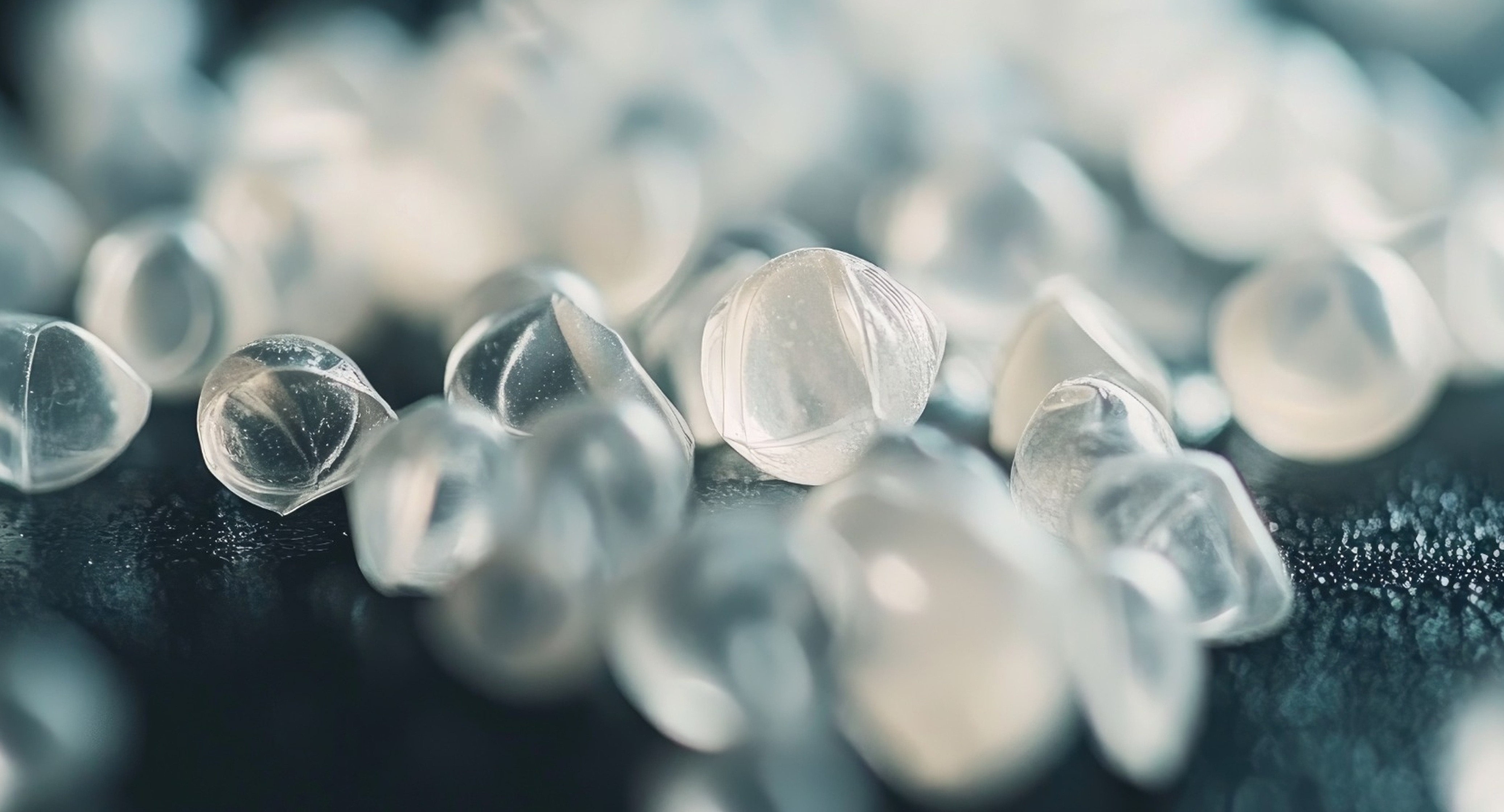
This technology introduces a recyclable, self-reinforced PET (srPET) composite, delivering high-performance mechanical properties in a truly circular, mono-material system. Unlike FRPs that rely on different polymers or fiber reinforcements, srPET uses PET for both the matrix and the reinforcement, eliminating material incompatibility at end-of-life. The composite is produced from 100% post-consumer recycled PET (PCR-PET), ensuring alignment with global carbon-reduction and circular economy goals and enabling manufacturers to recycle composite materials in a closed-loop cycle.
By combining excellent strength, formability, and thermal performance with compatibility for standard thermoplastic processing methods (such as press molding and lamination), this material bridges sustainability with industrial scalability. It provides a lightweight, durable, and recyclable alternative to traditional plastics, metals, and non-recyclable composites. The technology is ideally suited for automotive, aerospace, defense, and construction industries, where manufacturers seek to balance regulatory compliance, sustainability, and performance.
The technology owner is seeking R&D collaborations, licensing partnerships, and test-bedding opportunities with OEMs committed to sustainable material adoption.
TECHNOLOGY FEATURES & SPECIFICATIONS
- Self-reinforced composite made entirely from PET (mono-material design).
- Superior mechanical performance compared to traditional unfilled thermoplastics.
- High impact resistance, structural rigidity, and dimensional stability.
- Low shrinkage with excellent formability.
- Compatible with standard thermoplastic processing methods, including:
- Extrusion
- Lamination
- Thermoforming
- Hot-press molding
- Extendable functionalities
- Flame-retardant formulations
- Sandwich panel structures for mobility and construction sectors
- Thermal insulation properties
POTENTIAL APPLICATIONS
This technology is suitable for a wide range of industries where lightweighting, recyclability, and high performance are critical:
- Automotive: door trims, underbody shields, NVH (noise, vibration, harshness) components.
- Aerospace: interior panels and non-structural lightweight parts.
- Defence: anti-stab panels and impact-resistant protective structures.
- Marine: lightweight structural covers and panels.
- Construction: interior/exterior wall panels, insulation boards, and sandwich panels.
The material is especially suited for sectors demanding recyclability, high strength-to-weight ratios, thermal insulation, and compliance with evolving regulatory standards.
Market Trends & Opportunities
The global lightweight materials market is expected to exceed USD 250 billion by 2030. Demand is rising across EVs, aerospace, and defense sectors, while increasing sustainability regulations such as EU ELV and U.S. EPR are accelerating the adoption of circular materials like srPET composites. In the building sector, demand is also growing for carbon-neutral and sustainable construction materials.
Unique Value Proposition
This technology leverages 100% recycled PET to deliver superior thermal stability, processing compatibility, and recyclability. Its mono-material structure enables true closed-loop recycling without the need for material separation, directly supporting ESG commitments and circular economy goals. In addition to mechanical durability and excellent formability, the material offers inherent insulation performance, creating a strong advantage for cost-sensitive, regulation-driven markets such as green construction, lightweight mobility, and consumer products.

Enhanced Antimicrobial Properties of Polymer Products with Silver Nanoparticles
Adsorption Heat Pump (AHP): Cooling from Low-Temperature Waste Heat with Less Electricity
Smart Polymers for Stress Absorption and Surface Modification
Scalable and Cost-Efficient Next-Gen L-PGA Biopolymer
Solution to Repair Concrete Cracks, Mitigate Rebar Corrosion and Concrete Carbonation
AI-Powered, Non-Destructive Diagnostic Solution for Plastic Deterioration
Fast-Curing and Ready-to-Use Glass Fibre Reinforced Polymer (GFRP)
Low-Cost, Intrinsically Safe, and Eco-Friendly Polysulfide Redox Flow Battery
Thin-Film Composite Hollow Fiber Membranes for Oxygen Enrichment