Smart IoT System with Electrolysed Water for Healthier Plants
KEY INFORMATION
TECHNOLOGY OVERVIEW
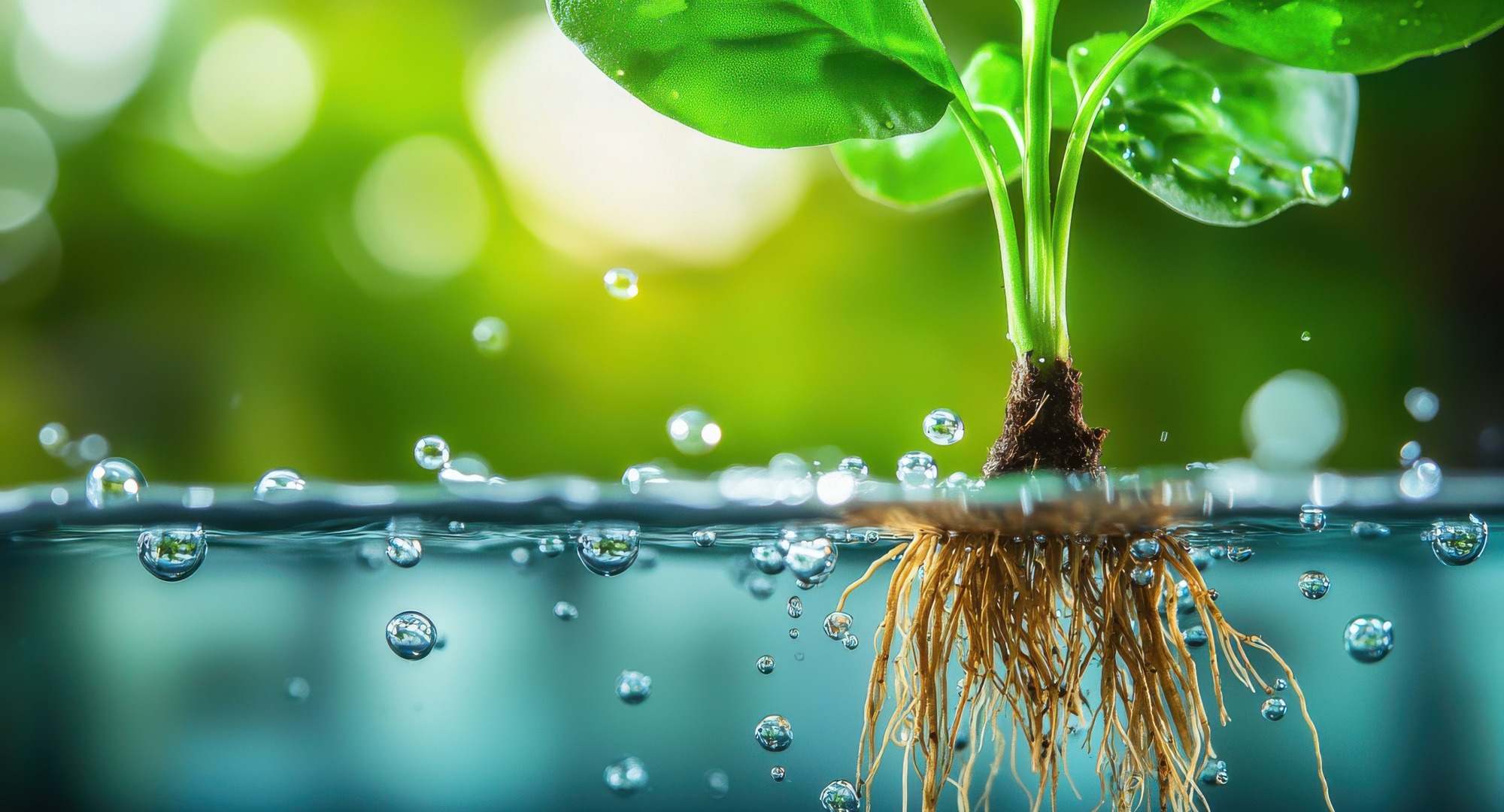
In hydroponics, plants receive nutrients directly from a water-based solution. pH affects how well plants can absorb these nutrients. If the pH is too high (alkaline) or too low (acidic), certain nutrients become chemically unavailable, leading to deficiencies even if the nutrients are present. To adjust the pH, hydroponic farmers have to use pH up solution (commonly potassium hydroxide or potassium carbonate) or pH down solution (commonly phosphoric or nitric acid), which adds cost, increases safety risks and utilises resources like time, manpower and storage space.
This innovation combines Electrolysed Water (EW) with an Internet of Things (IoT) system to autonomously adjust pH to improve vegetable health, optimise plant growth, and reduce algae without the use of chemicals. The solution features a modular chamber setup, precise EW control, and real-time environmental monitoring. The technology addresses the common challenges of uneven plant growth, algae outbreaks, and chemical handling in urban agriculture.
TECHNOLOGY FEATURES & SPECIFICATIONS
-
The Electrolysed Water (EW) system is capable of adjusting water pH levels from acidic to alkaline without chemicals.
-
An integrated IoT system with sensors for pH, EC, water temperature, humidity, light lux, CO₂, and atmospheric pressure.
-
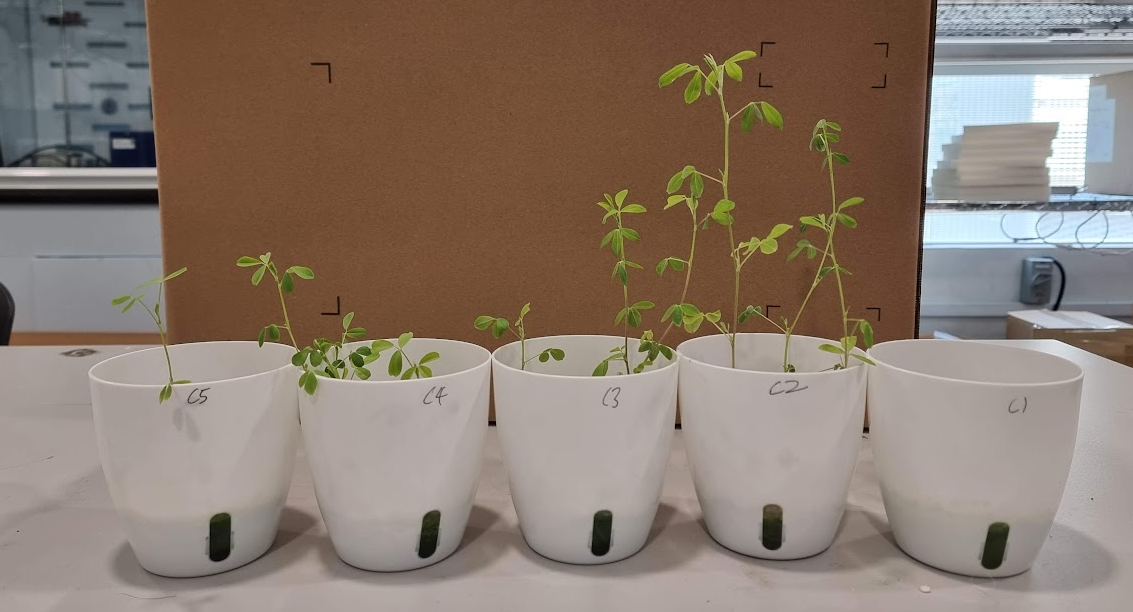
Enhances germination and plant height of leafy greens, microgreens and algae significantly.
-
Five modular, human-sized growth chambers with protocols for immediate test-bedding and optimisation
POTENTIAL APPLICATIONS
- Urban farms and vertical farming systems
- Indoor hydroponics and aquaponics setups
- Algae control in closed-loop water systems
- Educational training for smart farming and sustainable agri-tech
- Food packaging films (for shelf-life extension studies)
- Government agencies focusing on chemical reduction in agriculture
Unique Value Proposition
This technology offers a chemical-free, safe alternative for pH control in agriculture. The use of EW eliminates the need for acids or alkalis, reducing handling risks and removing the need for chemical storage. IoT integration allows remote monitoring and automation, optimising plant conditions in real-time. The system improves plant health, enhances yield, and controls algae naturally, providing a return on investment within the near term through savings on chemicals, training, and space.

Adsorption Heat Pump (AHP): Cooling from Low-Temperature Waste Heat with Less Electricity
Transforming Agricultural Waste into High-Purity Silica and Carbon Materials
Plant-based Additive for Bioplastic Barrier Enhancement
Transforming Agricultural By-Products into Sustainable Materials
AI-Enabled Food Waste Contamination Audit System
AI-Powered Circular Economy Platform for Smart Recycling
Optimisation of Shrimp (L. Vannamei) Feed with Underutilised Okara
Formulation and Optimisation of Fish (O. niloticus) Feed from Food Waste Protein Source
Advanced Bamboo-based Composite Technology