Optimisation of Shrimp (L. Vannamei) Feed with Underutilised Okara
KEY INFORMATION
TECHNOLOGY OVERVIEW
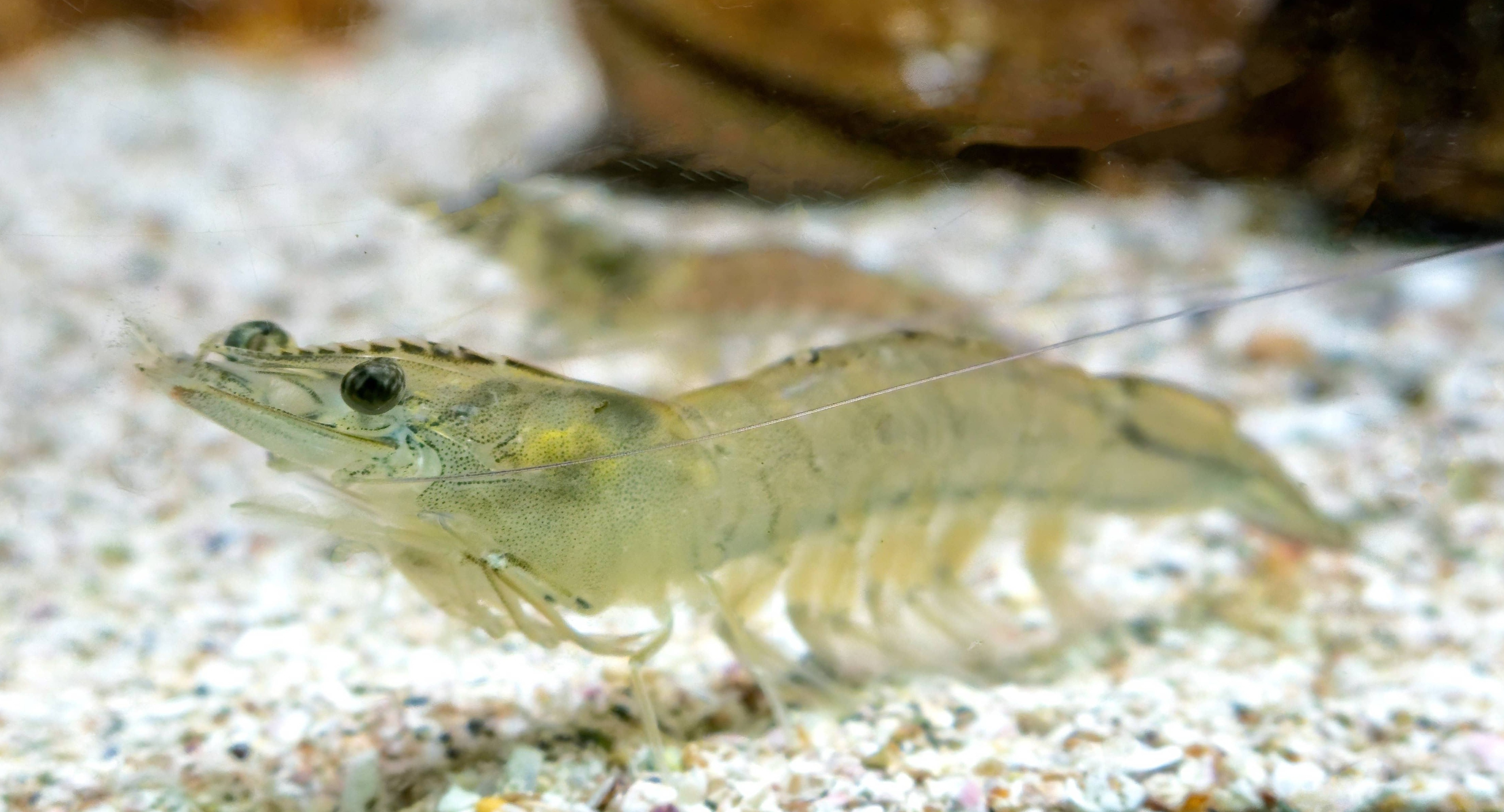
In Singapore, more than 30,000kg of okara are generated from soya milk and tofu production. Due to the high amount of insoluble dietary fibre and a unique, poignant smell of okara, it is often discarded as a waste product. Despite okara's low palatability, it is rich in nutrients such as protein, fibre and isoflavones. By replacing fishmeal with okara, an local higher institute of learning has developed a nutritious yet cost-effective formulation in the feed of L. Vannamei shrimps. Besides reduced overall cost of shrimp meals, the conversion from okara to shrimp meal significantly reduces the amount of organic waste to landfills and promotes economic viability, giving okara a second life. This circular economy model creates a symbiotic relationship between two industries. The formulation can potentially be adapted and customised for other aquatic species. The technology provider is seeking to work with shrimp farmers to run larger trials.
TECHNOLOGY FEATURES & SPECIFICATIONS
This shrimp feed technology utilises okara, a soy processing by-product, as the primary protein source to replace expensive fish meal in commercial shrimp feeds. It employs heat treatment and solid-state fermentation using food-grade yeast to eliminate anti-nutrients (trypsin inhibitors, lectins) and enhance protein bioavailability in okara. Okara contains the following beneficial nutrients which directly impacts shrimp feed:
- 50% insoluble fibre
- ~25% protein
- 10% unsaturated fats
- Isoflavones
- Vitamins and minerals
POTENTIAL APPLICATIONS
Okara is used as a cost-effective feed for high-demand L.Vannamei shrimp, a commonly consumed shrimp species in Singapore. Shrimps fed with okara-based feed showed a comparable growth rate with the group fed with commercial diet. In comparison, the okara-based feed are cheaper to make than commercial feed used in the industry. There is potential for okara to be included in feed of other aquatic species such as mollusc and fish. An okara-based feed for abalone has also been developed.
Unique Value Proposition
- An alternative nutrient source for animal feed allows sustainability of food supply and reduction of food waste.
- A cost-effective plant-based functional ingredient, lowering costs of feed for aquaculture farms.
- Nutritional composition can be tailored to different species.
- Increased length and weight growth as compared to commercial feed.

Adsorption Heat Pump (AHP): Cooling from Low-Temperature Waste Heat with Less Electricity
Transforming Agricultural Waste into High-Purity Silica and Carbon Materials
Plant-based Additive for Bioplastic Barrier Enhancement
Transforming Agricultural By-Products into Sustainable Materials
AI-Enabled Food Waste Contamination Audit System
AI-Powered Circular Economy Platform for Smart Recycling
Formulation and Optimisation of Fish (O. niloticus) Feed from Food Waste Protein Source
Advanced Bamboo-based Composite Technology
Functional Film Integration in Lightweight Recycled Plastic Composites